

OverView
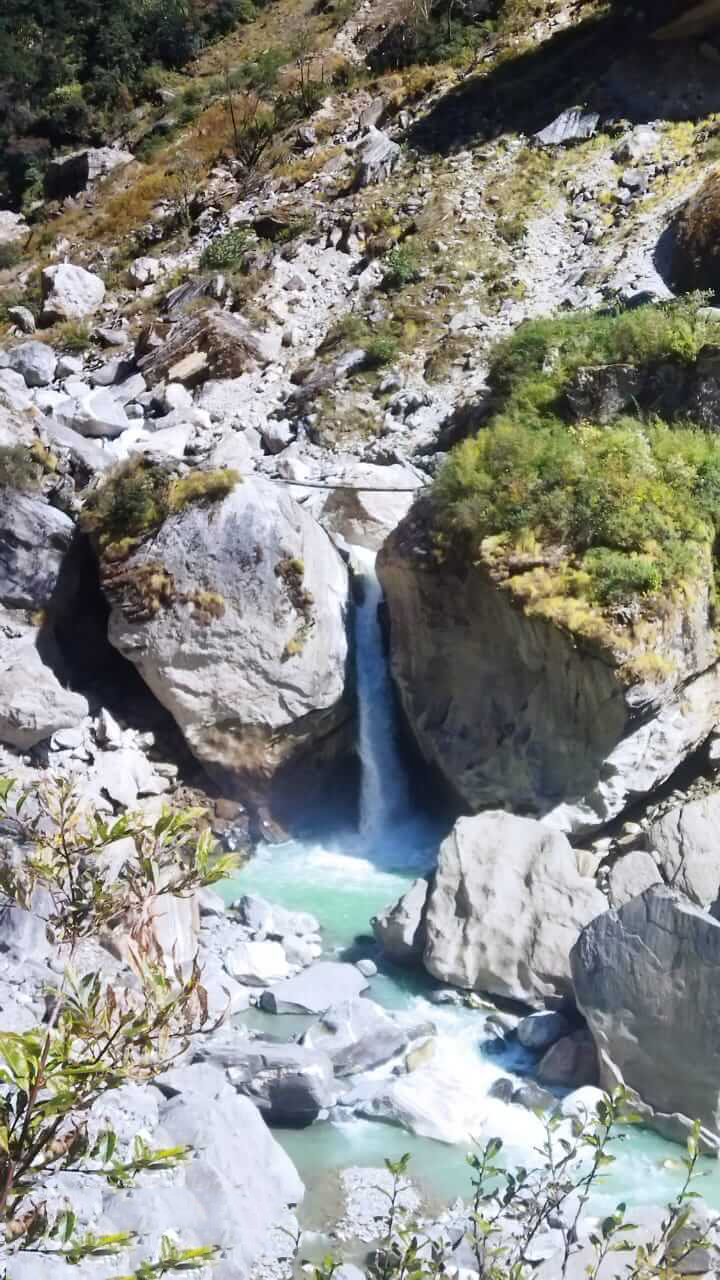
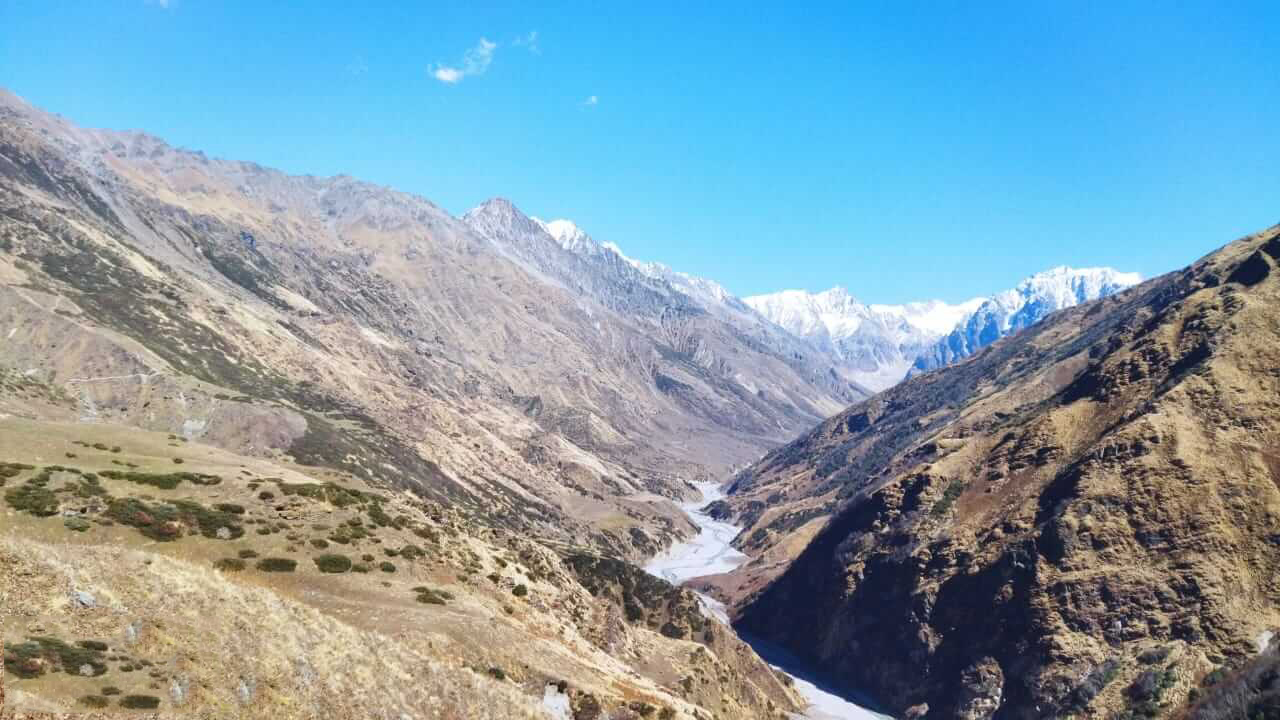
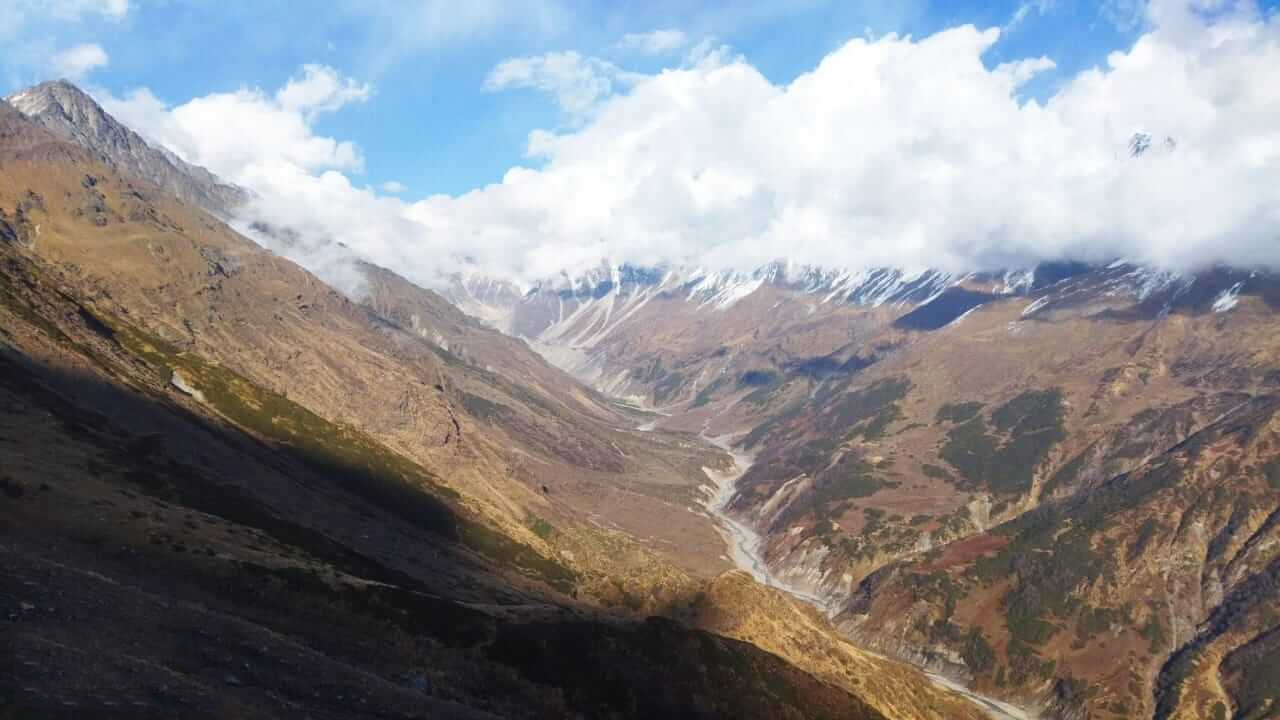
The Brij Ganga Dhura Pass trek is an exhilarating journey through the Kumaon region of Uttarakhand, India. This trek offers adventurers a unique blend of natural beauty, cultural experiences, and challenging terrains. The trail takes you through dense forests, remote villages, and high-altitude passes, providing panoramic views of snow-capped peaks and the surrounding valleys. With altitudes reaching up to 4,666 meters, the trek is both demanding and rewarding, making it ideal for experienced trekkers looking for a thrilling adventure in the Himalayas.
Base Camp – Munsiyari
Month – May, June, Sept, Oct
Nearest Railway – Kathgodam
Airport – Pant Nagar
Stay – Camping, Hotel, Guest House
Food – Veg & Egg
Last Network – Panto
ATM – Munsiyari
Brief ITINERARY
Day 1: Kathgodam to Munsiyari
- Highest Altitude: 2,150 meters
- Travel Duration: 10-12 hours by road
Day 2: Munsiyari to Lilam (by vehicle) and Trek to Panto Village
- Trek Distance: 6 km
- Trek Duration: 4 hours
- Altitude: 2,150 meters
Day 3: Panto Village to Lingurani
- Trek Distance: 12 km
- Trek Duration: 8 hours
- Altitude: 2,915 meters
Day 4: Lingurani to Kiltam
- Trek Distance: 12 km
- Trek Duration: 8 hours
- Altitude: 3,450 meters
Day 5: Kiltam to Upper Marjhali
- Trek Distance: 11 km
- Trek Duration: 7 hours
- Altitude: 3,970 meters
Day 6: Upper Marjhali to Brij Ganga Pass and Descend to Sumdu
- Trek Distance: 9 km
- Trek Duration: 8-9 hours
- Highest Altitude: 4,666 meters (Brij Ganga Pass)
- Altitude at Sumdu: 3,400 meters
Day 7: Sumdu to Railkot
- Trek Distance: 9 km
- Trek Duration: 6 hours
- Altitude: 3,230 meters
Day 8: Railkot to Munsiyari via Bogdiyar Lilam
- Trek Distance: 45 km
- Trek Duration: 6-7 hours
- Altitude: 2,450 meters
Day 9: Munsiyari to Kathgodam
- Travel Duration: 10-12 hours by road
DETAILED ITINERARY
Day 1: Kathgodam to Munsiyari
- Highest Altitude: 2,150 meters
- Travel Duration: 10-12 hours by road
The journey begins with a drive from Kathgodam to Munsiyari, a quaint town nestled in the heart of the Kumaon region. The drive takes you through picturesque landscapes, including lush green valleys, winding mountain roads, and small hill towns. Munsiyari, located at an altitude of 2,150 meters, serves as the base for the Brij Ganga Dhura Pass trek. Upon arrival, take time to acclimatize and explore the local surroundings.
Day 2: Munsiyari to Lilam (by vehicle) and Trek to Panto Village
- Trek Distance: 6 km
- Trek Duration: 4 hours
- Altitude: 2,150 meters
On the second day, a short drive takes you from Munsiyari to Lilam, the starting point of the trek. From Lilam, you begin your trek towards Panto Village. The trail is relatively easy, winding through dense forests of pine and oak. As you trek along the banks of the Gori Ganga River, you will be treated to mesmerizing views of the surrounding mountains. The day ends with an overnight stay in Panto Village.
Day 3: Panto Village to Lingurani
- Trek Distance: 12 km
- Trek Duration: 8 hours
- Altitude: 2,915 meters
The trek from Panto Village to Lingurani is a bit more challenging, with the trail gradually ascending through thick forests and crossing several streams. The dense vegetation provides shade and a cool environment, making the climb more manageable. As you gain altitude, the landscape begins to change, offering glimpses of snow-capped peaks in the distance. Lingurani is a remote hamlet where you will set up camp for the night.
Day 4: Lingurani to Kiltam
- Trek Distance: 12 km
- Trek Duration: 8 hours
- Altitude: 3,450 meters
Day 4 involves a steady climb from Lingurani to Kiltam. The trail takes you through alpine meadows, dotted with wildflowers, and offers stunning views of the surrounding valleys. The higher altitude and thinning air may make the trek more strenuous, but the breathtaking vistas make it worth the effort. Kiltam, situated at 3,450 meters, is a small campsite where you can rest and prepare for the next day’s ascent.
Day 5: Kiltam to Upper Marjhali
- Trek Distance: 11 km
- Trek Duration: 7 hours
- Altitude: 3,970 meters
The trek from Kiltam to Upper Marjhali is one of the most scenic parts of the journey. As you ascend, the trail opens up to expansive views of the Himalayan range, including peaks like Sujtela, Rajrambha, Rimlawe, Chiring We. The path is dotted with small streams and patches of snow, adding to the adventure. Upper Marjhali, at nearly 4,000 meters, offers a perfect spot to camp under the stars, with the towering peaks serving as a magnificent backdrop.
Day 6: Upper Marjhali to Brij Ganga Pass and Descend to Sumdu
- Trek Distance: 9 km
- Trek Duration: 8-9 hours
- Highest Altitude: 4,666 meters (Brij Ganga Pass)
- Altitude at Sumdu: 3,400 meters
This day is the highlight of the trek as you make your way to the Brij Ganga Dhura Pass, the highest point of the trek at 4,666 meters. The climb is steep and demanding, but the panoramic views from the pass are unparalleled. On a clear day, you can see the entire Kumaon range, with its majestic peaks and deep valleys. After spending some time at the pass, begin the descent towards Sumdu, where you will camp for the night.
Day 7: Sumdu to Railkot
- Trek Distance: 9 km
- Trek Duration: 6 hours
- Altitude: 3,230 meters
The descent from Sumdu to Railkot is a relatively easy trek, taking you through alpine forests and along mountain ridges. The trail offers beautiful views of the surrounding valleys and the distant snow-clad peaks. Railkot is a small village where you will spend the night, enjoying the hospitality of the local villagers and experiencing their unique culture.
Day 8: Railkot to Munsiyari via Bogdiyar Lilam
- Drive: 45 km
- Time: 6-7 hours
As you continue your descent, the trek from Railkot to Bogdiyar takes you through a mix of forested trails and open meadows. The altitude drops significantly, and you will notice a change in the flora and fauna as you enter lower elevations. The day ends at Bogdiyar, a small settlement where you can rest and recover from the day’s trek.
Day 9:Munsiyari to Kathgodam
- Travel Duration: 10-12 hours by road
The final day involves a long drive back to Kathgodam. As you descend from the mountains, you’ll carry with you memories of the breathtaking landscapes, the challenging trails, and the sense of accomplishment that comes from completing the Brij Ganga Dhura Pass trek. The journey concludes in Kathgodam, where you can catch a train or continue your travels.
Cost Terms
COSTS INCLUDES
Meals during the trek
Forest Permits/Camping Charges. Included only upto amount charged for Indian Nationals
Tents, Sleeping bags, mats
Safety Equipment includes static rescue rope, seat harness, carabiners, pulleys
Trek guide, cook, helpers, porters & mules for carrying common luggage
Services of a Certified Trek Leader
COSTS EXCLUDES
Meals during road journeys
Carriage of Personal Bags during the trek
Any kind of Insurance
Any expense of personal nature
Any expense not specified in the inclusion list.
400/Bag/Day - Offloading (Weight - 10-12 Kg)
PAYMENTS AND CANCELLATIONS
PAYMENT POLICY:
A) 46 Days or more before date of departure: 25% of total cost.
B)31 - 45 Days before date of departure: 50% of total cost.
C) 30 days before date of departure: 100% of total cost.
IMPORTANT: The booking stands liable to be cancelled if 100% payment
is not received less than 30 days before date of departure.
CANCELLATION POLICY
*CANCELLATION CHARGES PER PERSON
a) 30 DAYS OR MORE BEFORE DEPARTURE: 25% OF TOTAL COST
b) 29 - 20 DAYS BEFORE DEPARTURE: 50% OF TOTAL COST
c) LESS THAN 20 DAYS BEFORE DEPARTURE: 100% OF TOTAL COST
*IF WE CHANGE OR CANCEL YOUR HOLIDAY
We do plan the arrangements in advance. It is unlikely that we will have to make any changes to your travel arrangements.
Occasionally, we may have to make changes and we reserve the right to do so at any time. If there are any changes, we will advise you of them at the earliest possible date. We also reserve the right under any circumstances to cancel you travel arrangements by assigning reasons to you.
iwe are unable to provide the booked travel arrangements due to reasons beyond control
( e.g. bad weather, insufficient bookings) we shall first try to offer alternative dates for the tour if the tour has'nt already commenced. If the alternate arrangement does not suit you, we will refund the amount in full.
*IF YOU WANT TO CHANGE YOUR HOLIDAY PLAN.
After confirmation of services, if you wish to change your travel arrangements in any way (e.g. your chosen departure date or accommodation), we will do our utmost to make these changes but it may not always be possible.
Any request for changes must be in writing from the person who made the booking. All cost incurred due to amendment will be borne by you.
All booking vouchers and tickets will be provided 3 days before departure
NOTE:-
1)- Change of trek batch is dependent on the availability of seats in the batch.2)- In case of transferring a trek to a friend, he/ she should satisfy all the mandatory requirements put forward by Himveer Tour & Trek.
3)- Himveer Tour & Trek holds the right to change/cancel the policies, without prior notice.
Cancellation is processed only by email intimation. Please email any cancellation requests to :- sonunix7077@gmail.com or call us @ +91-7500124928 Itineraries are based on information available at the time of planning and are subject to change. "Himveer Tour & Trek" reserves the right to change expedition dates, people or itineraries as conditions warrant. If a trip must be delayed or the itinerary changed due to bad weather, road conditions, transportation delays, government intervention, airline schedules, sickness, or other contingency for which Himveer Tour & Trek or its agents cannot make provision, the cost of delays and/or other changes are the responsibility of the participant. Himveer Tour & Trek reserves the right to decline, or accept, any individual as a trip member for any reason whatsoever.
Please Note
*Written cancellation will be accepted on working days (only). Any cancellation sent on a Sunday or any National Holiday(s), will be considered on the next official working day.
*In the event of any cancellation(s) after trip commencement, there will be no refunds and any costs incurred due to this cancellation will be borne by you.
Irrespective of when a trip is booked, the above condition will hold true.
Things to Carry
Basic Gear
| Backpack with rain cover | (50 – 60 ltr) with comfortable shoulder straps |
| Day pack with rain cover | 20 – 30 ltr (If off-load opted) |
| Walking stick | Advisable (At least one) |
| Water Bottle / Hydration pack | 2 bottles of one liter each, People who use hydration pack 1 hydration pack and 1 bottle of one liter, Carry at least one thermos flask. |
| Small size tiffin/lunch box | 1 Nos |
| Snacks | Energy bars, dry fruits, electoral/ors |
| Personal Medical Kit | Consult your doctor |
Clothes
| T-Shirt (Synthetic quick dry) | 1 Full & 2 Half sleeves |
| Fleece T-shirt | 1 Nos |
| Wind stopper / Fleece jacket | 1 Nos |
| Windproof Jacket | 1 Nos |
| Down feather / Hollow jacket | 1 Nos |
| Thermal inner (Upper and Lower) | 1 Pair |
| Trek Pant (Synthetic quick dry) | 2 Nos |
| Wind stopper / Fleece Pant | 1 Nos |
| Waterproof gloves | 1 Pair |
| Fleece / woollen gloves | 1 Pair |
| Poncho / waterproof Jacket and pant | 1 Nos |
Head Gears
| Head torch | 1 Nos. (Avoid Hand torch) |
| Sun Cap | 1 Nos |
| Woolen cap | 1 Nos. |
| Balaclava | 1 Nos. |
| Buff | 1 Synthetic & 1 Woollen |
| Sunglasses | UV with dark side cover, People who wear spectacles – (A)- Use contact lenses | (B)- Photo chromatic glasses |
Foot Gears
| Trekking shoes | 1 Pair (Waterproof, high ankle, good grip) |
| Floaters / flip-flops | 1 Pair |
| Cotton socks | 6 pairs |
| Woollen socks | 1 pairs |
| Gaiters | 1 Pair (We will provide when required) |
| Micro spikes | 1 Pair (We will provide when required) |
Himveer Tour & Trek GUIDELINES
DO’S AND DON’TS ON A TREK
1.Alcohols or any other intoxicating products "STRICTLY PROHIBHITED" during the trek.
2.Always pay heed to the trek guides or instructors.
3.Try not to leave the group under any circumstances.
4.Avoid trekking during the nights as it is extremely dangerous.
5.Avoid using earphones as that might hinder your hearing.
6.Do not participate or encourage littering of the places in any form.
7.While visiting the local villages and tourist sites, obey the local guidelines and instructions.
8.Do not harm or interrupt the local sentiments of the places.
IMPORTANT:
Your safety is of paramount concern while travelling with Himveer Tour & Trek.
Please note that your leader has the authority to amend or cancel any part of
the itinerary if it is deemed necessary due to safety concerns.
Since adventure entails travelling in remote mountainous regions, we cannot guarantee that we will not deviate from it. Weather conditions, health condition of a group
member, unexpected natural disasters, etc., can all contribute to changes in the itinerary. The leader will try to ensure that the trip runs according to plan, but please be prepared to be flexible if required
Fixed Departure
December 2017: 2,9,16,23,30
January 2018: 6,13,20,27
February 2018: 3,10,17,24
March 2018: 3,10,17,24,31
Note
The fixed departure dates are applicable to a group of 6-8 people (minimum), both male and female.
If you are group of 6 or more and don’t find a suitable date, kindly Contact Us:
sonunix7077@gmail.com/
For customised/Tailor made treks ,kindly Contact Us:
sonunix7077@gmail.com
Himveer Tour & Trek advise its clients/travellers to keep a buffer day in hand to avoid inconvenience caused due to unpredictable weather conditions in high altitude regions.
Himveer Tour & Trek Importants Links
Himveer Tour & Trek Basic trek Gear Checklist for client
A) A good quality rubber sole with mid sole and ankle support (Medium or high ankle) shoe. Click here
Himveer Tour & Trek Medical Form For Thr Client

Himveer Tour & Trek treks organised by SHRIDHANT EXPEDITIONS (OPC) PVT LTD. take place in some remote and less-developed regions, without means of rapid evacuation, Click here
Frequently asked questions(FAQs)
Here are answers to a list of generic questions which are asked to us on any treks. We have tried to answer most of them and this list of questions keeps growing with time. If you still have doubts, Contact Us us over phone or email to clear your doubts. We will be happy to help !!
Toilets On Trek: There will be a separate toilet tents. For a bigger group ( more than 8 trekkers ), separate toilet tents for men and women will be provided to keep up with the timings. The toilets will be a dry toilet where a pit will be dug and will contain a hump of mud outside. You can use wet tissue papers. After you finish your business, you need to cover the dump with the mud outside. A small shovel will be kept for the purpose. You should not use water in the toilet pit. When we shift camps, we will ensure that the pit is well covered and the area is clean. For tea house treks, toilets are well maintained by the owners.
We would be carrying all of the camping and technical equipment and the cost of it will be included in the package price. If you had requested a customized trek package, this will depend on what you have asked for.
For a detailed generic list of what to carry on a trek, follow the link click here
Photo Gallery